Brick Pavers vs. Concrete Pavers: Key Differences Explained
People researching brick pavers vs. concrete pavers installation are often looking to enhance their outdoor space, and local contractors can help determine the best option and handle the installation.
If you're exploring options for upgrading your outdoor space, understanding the differences between brick pavers and concrete pavers is an essential first step. Property owners in the area often consider these materials for driveways, patios, walkways, and more, seeking solutions that balance durability, aesthetic appeal, and long-term value. This guide aims to clarify the key distinctions between brick pavers and concrete pavers, helping you make informed decisions tailored to your property's needs. Local contractors specializing in paver installation can provide insights into which material best suits your style and practical requirements, ensuring your project results in a beautiful, lasting outdoor feature.
Choosing between brick pavers and concrete pavers involves more than just appearance; factors like maintenance, cost, and installation methods play a role in the final outcome. Whether you prefer the timeless charm of brick or the versatility and affordability of concrete, understanding their unique characteristics can help you select the right option. Property owners who want to explore these differences further can connect with experienced local service providers who offer expert installation services. Keep reading to discover how each material stacks up and how local professionals can assist in bringing your vision to life with quality craftsmanship.
- Brick pavers installation - ideal for homeowners seeking a classic, timeless look for patios and walkways, with local contractors focusing on precise placement and durable materials.
- Concrete pavers installation - suitable for those needing versatile and cost-effective paving solutions, with service providers emphasizing quick installation and structural strength.
- Brick pavers installation - often chosen for decorative projects that require intricate patterns, with local pros skilled in custom designs and detailed craftsmanship.
- Concrete pavers installation - perfect for large-scale surfaces like driveways or commercial spaces, where local contractors prioritize uniformity and long-lasting performance.
- Brick pavers installation - recommended for projects that aim for a natural aesthetic, with local service providers ensuring proper base preparation and aesthetic appeal.
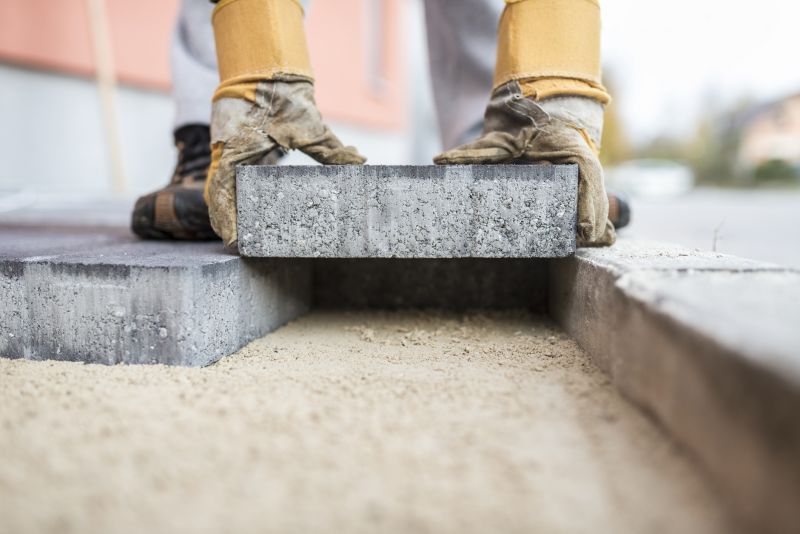
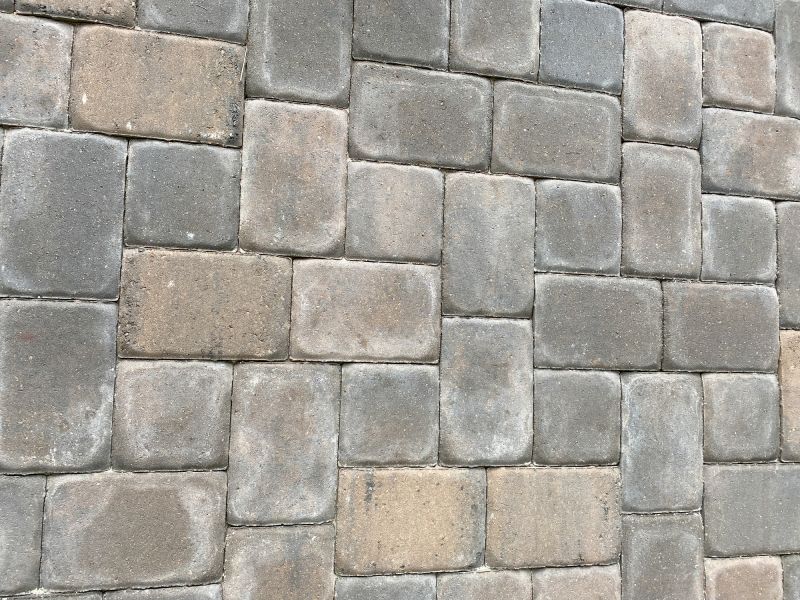
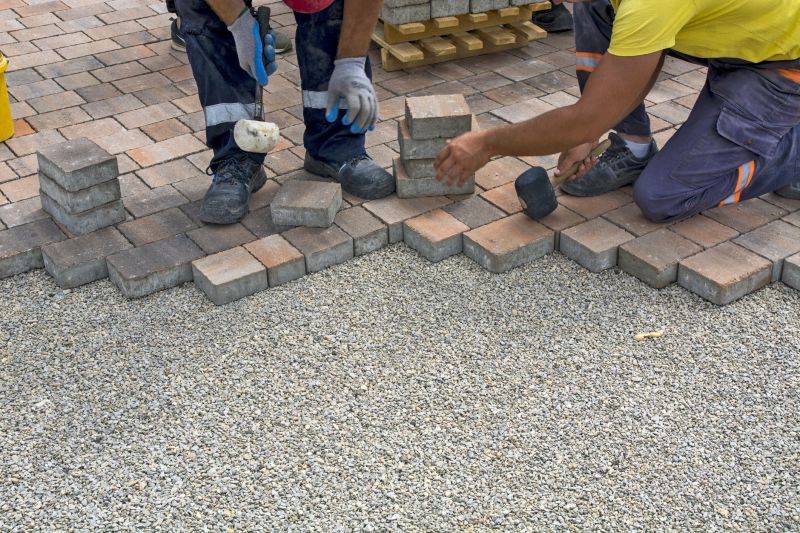
When homeowners search for information about brick pavers versus concrete pavers, they are often trying to understand the fundamental differences between these popular paving options. This comparison typically arises when planning outdoor projects such as patios, walkways, driveways, or pool decks. Many property owners want to know which material will better suit their aesthetic preferences, durability needs, and budget considerations. The decision can significantly impact the overall look and longevity of the project, making it important to understand the unique characteristics of each option before hiring local contractors to handle installation.
This topic connects directly to common property improvement plans. Homeowners often seek to enhance curb appeal, create functional outdoor living spaces, or replace aging paving surfaces. Problems such as cracking, uneven surfaces, or fading can prompt a desire to upgrade with more durable or visually appealing materials. Local service providers who specialize in brick and concrete paving can offer insights into which material aligns with the specific needs of a property, whether it’s a residential driveway, a commercial walkway, or a decorative patio. Understanding the key differences helps in making informed choices that match the property’s style and usage expectations.
Properties that typically feature brick or concrete pavers include residential homes, apartment complexes, retail centers, and hospitality venues. Brick pavers are often chosen for their classic, timeless appearance and ability to complement historic or traditional architecture. Concrete pavers, on the other hand, tend to be more versatile and cost-effective, making them suitable for a wider range of property types. Both materials are used in various outdoor applications, but their suitability depends on factors like climate, traffic load, and aesthetic preferences. Local contractors experienced in both types of paving can advise on the best material for each property’s specific context.
Understanding the key differences between brick pavers and concrete pavers helps homeowners make practical decisions about their outdoor projects. Brick pavers are known for their durability and distinctive appearance, but they may require more maintenance over time. Concrete pavers are generally more affordable and easier to install, with options for customization in color and pattern. Connecting with local service providers who specialize in both materials ensures that property owners receive tailored guidance and quality installation. This helps ensure the chosen paving material not only looks great but also performs well for years to come.
Patio and walkway construction - local contractors experienced in paver installation can help design and build durable patios and walkways using either brick or concrete pavers, depending on the project's needs.
Landscape design and hardscaping - professionals skilled in hardscape planning can incorporate paver materials into garden paths, driveways, and outdoor living spaces, ensuring proper planning and installation.
Driveway paving projects - local service providers can assist with driveway installation using brick or concrete pavers, considering the differences in durability and style preferences.
Retaining wall construction - expertise in paver installation is essential for building functional and aesthetic retaining walls with the appropriate materials and techniques.
Outdoor kitchen and entertainment areas - specialists can help create stylish, long-lasting surfaces for outdoor kitchens and entertainment zones using pavers suited to the environment.
Surface repair and restoration - experienced contractors can repair or restore existing paver surfaces, ensuring proper matching and longevity of brick or concrete pavers.
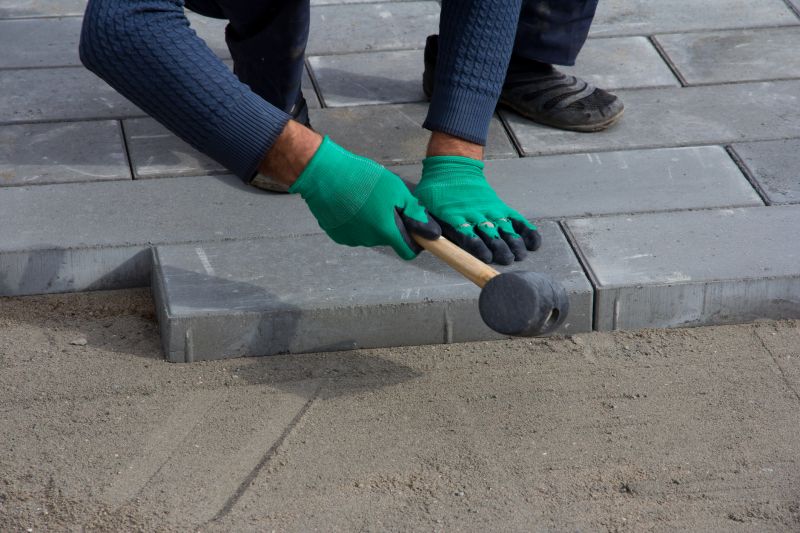
When comparing contractors for brick pavers versus concrete pavers installation, it is important to consider their experience with similar projects. Homeowners should inquire about the types of paving projects the service providers have completed in the past, specifically those involving either brick or concrete pavers. A contractor with a history of successful installations in these materials can demonstrate familiarity with the unique techniques and challenges each type presents, helping to ensure the final result meets expectations. Reviewing portfolios or asking for references from previous clients who had comparable work done can provide insight into their expertise and ability to handle the specific demands of either material.
Clear written expectations are essential when selecting a local contractor for pavers installation. Homeowners should seek detailed proposals that outline the scope of work, materials to be used, and the installation process. This transparency helps prevent misunderstandings and ensures that both parties are aligned on project goals. Contractors who can articulate the differences between brick pavers and concrete pavers-such as durability, aesthetic options, and maintenance considerations-are more likely to deliver a finished product that aligns with the homeowner’s preferences. Having these expectations documented also facilitates smoother communication throughout the project, reducing the potential for surprises or miscommunications.
Reputable references and effective communication are critical factors when choosing a service provider for pavers installation. Homeowners are encouraged to ask for references from past clients, especially those who had similar materials installed, to gauge the contractor’s reliability and quality of work. Good communication involves timely responses, clear explanations of options, and openness to questions about the differences between brick and concrete pavers. Contractors who prioritize transparent dialogue and provide comprehensive information can help homeowners make informed decisions about which material best suits their needs and ensure the installation process proceeds smoothly. This level of professionalism can significantly impact the overall satisfaction with the finished project.
Get a Quote for Brick Pavers Or Concrete Pavers Installation
Property owners often search for brick pavers vs. concrete pavers: key differences explained when they are planning practical projects around their homes and businesses. Local pros provide Brick Pavers or Concrete Pavers Installation services for everyday jobs and straightforward project options.
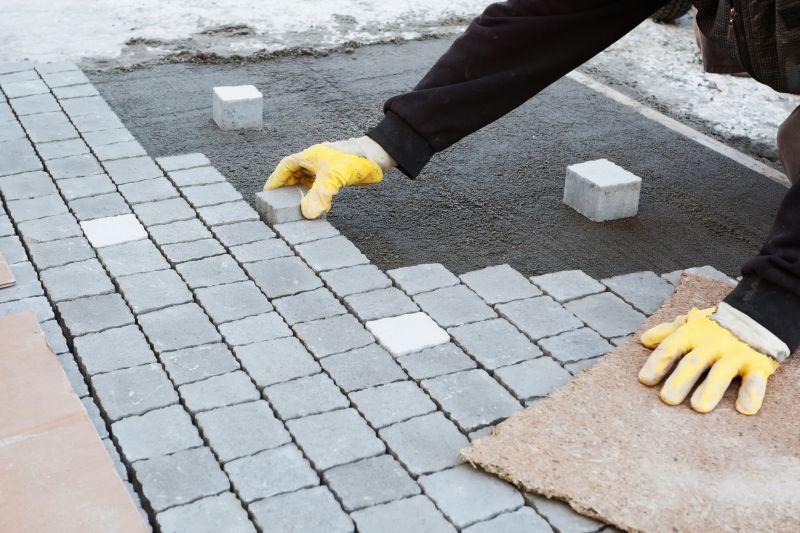
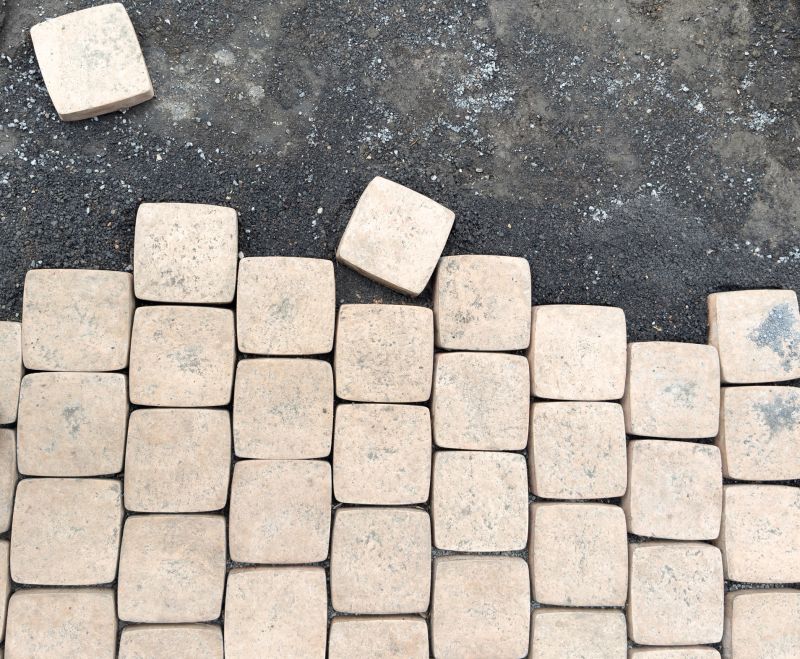
When considering driveway or patio projects, property owners often look into the differences between brick pavers and concrete pavers to determine which material best suits their needs. Brick pavers are known for their classic, timeless appearance and durability, making them a popular choice for those seeking a traditional aesthetic that can enhance curb appeal. Concrete pavers, on the other hand, are appreciated for their versatility and affordability, offering a wide range of shapes, colors, and patterns to match various design preferences. Homeowners in the area may seek out local contractors experienced in installing either material to ensure the project is completed with quality craftsmanship and long-lasting results.
Understanding the key differences between brick pavers and concrete pavers can help property owners make informed decisions about their outdoor space upgrades. Brick pavers tend to be more resistant to cracking and can handle heavy loads, making them suitable for driveways and high-traffic areas. Concrete pavers often provide a more uniform appearance and can be easier to install due to their consistent size and shape, which can be advantageous for larger or more complex layouts. Local service providers specializing in paver installation can assess the specific needs of a project and recommend the appropriate material to achieve the desired look and functionality.
Get a Quote for Brick Pavers Or Concrete Pavers Installation
What are the main visual differences between brick pavers and concrete pavers? Brick pavers typically have a classic, textured appearance with warm tones and a natural look, while concrete pavers often have a smoother surface and can be molded into various shapes and colors for a more uniform appearance. Local contractors can help select the style that best complements the property’s aesthetic.
How do durability and lifespan compare between brick pavers and concrete pavers? Brick pavers are known for their long-lasting durability and can withstand heavy loads, while concrete pavers are also durable but may be more prone to cracking over time, especially if not installed properly. Local service providers can advise on proper installation techniques to maximize lifespan.
Are there differences in maintenance requirements for brick versus concrete pavers? Brick pavers generally require less maintenance and are easier to replace if damaged, whereas concrete pavers may need periodic sealing and can be more susceptible to staining. Local pros can provide guidance on maintenance best practices for each type.
Can local contractors install both brick and concrete pavers effectively? Yes, experienced local contractors are capable of installing both types of pavers, ensuring proper preparation, placement, and finishing to achieve a durable and attractive surface.
Which type of paver is better suited for high-traffic areas? Both brick and concrete pavers can handle high-traffic areas if installed correctly, but concrete pavers often offer more uniform strength and are commonly chosen for driveways and walkways due to their versatility and strength. Local pros can assess the specific needs of a project to recommend the best option.
Durability considerations - Property owners can choose between brick or concrete pavers based on the durability needed for high-traffic areas or outdoor spaces. Local contractors can recommend the best material to withstand specific weather conditions and usage.
Design flexibility - Homeowners interested in unique patterns or custom colors can explore options with local service providers who specialize in brick or concrete paver installations. This helps achieve a personalized look for driveways, patios, or walkways.
Maintenance needs - Those seeking easier upkeep might prefer concrete pavers for their low-maintenance qualities, while brick pavers may require periodic sealing. Local pros can advise on maintenance practices tailored to each material.
Cost and material options - Property owners can consider the cost differences and aesthetic choices available with brick versus concrete pavers, with local contractors guiding selections that match project goals and style preferences.
If you are thinking about brick pavers vs. concrete pavers: key differences explained for a property, this guide is meant to help you understand this topic, the typical project types, and how different options might fit your plans.
When you are ready, you can use the quote form on this page to share a few details about your project. From there, local pros can review the basics and follow up with options that match what you have in mind.
Get a Quote for Brick Pavers Or Concrete Pavers Installation